© https://the-barricades.com/
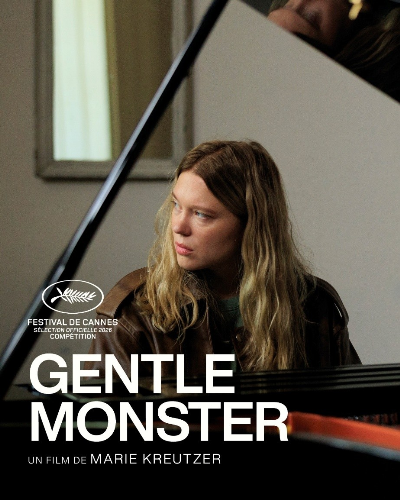
Після десятиріччя відносного затишшя австрійська кіноіндустрія поступово відновлює свої позиції, зокрема завдяки помітній присутності на Берлінале та участі в Каннському кінофестивалі 2026. На Лазуровому узбережжі австрійські фільми будуть представлені як у головному конкурсі, так і в програмі Un Certain Regard. Стрічка Марі Кройцер «Gentle Monster» з міжнародним акторським складом, зокрема Леа Сейду та Катрін Денев, змагатиметься за «Золоту пальмову гілку». Фільм описують як психологічну драму про сімейні відносини і внутрішню трансформацію жінки — тему, яка вже стала впізнаваною для режисерки. Паралельно у програмі Un Certain Regard представлено фільм «Everytime» режисерки з Австрії Сандри Волнер — інтимну драму про родинну пам’ять, втрату та повторюваність травматичного досвіду. Стрічка тяжіє до камерного, психологічно напруженого стилю, характерного для сучасного європейського авторського кіно. Разом ці участі свідчать про зростання впевненості австрійського кіно — як у художньому, так і в міжнародному вимірі.
Кінокритики дедалі частіше говорять про появу нового покоління австрійських режисерів, чиї роботи виходять за межі суворого артхаусного стилю, традиційно асоційованого з національним кінематографом. Як зазначає Джей Вайсберг (Jay Weissberg) у Variety, австрійське кіно останніх років демонструє «здатність поєднувати формальну стриманість із емоційною інтенсивністю», що робить його більш доступним для міжнародної аудиторії. Подібну тенденцію відзначає і Джонатан Ромні (Jonathan Romney) у Screen Daily, підкреслюючи, що нова хвиля австрійських режисерів «відходить від радикального мінімалізму попереднього покоління на користь більш гібридних форм оповіді».
Австрійські профільні інституції також говорять про зміну парадигми. Зокрема, у матеріалах Austrian Films наголошується, що сучасні австрійські стрічки дедалі частіше створюються як міжнародні копродукції, орієнтовані на фестивальний і глобальний прокат. Якщо попередню епоху значною мірою визначали такі постаті, як Міхаель Ганеке — лауреат «Золотої пальмової гілки» за «Білу стрічку» (2009) та премії «Оскар» за «Любов» (2013), — то нинішній етап виглядає менш стилістично однорідним, але значно різноманітнішим за формою та амбіціями. Втім, фахівці відзначають, що говорити про різке «повернення» було б передчасно. Події 2026 року радше свідчать про поступове відновлення позицій у галузі.
Austrian cinema returns to the international stage, with Cannes 2026 in its sights
After more than a decade of relative quiet, Austria’s film industry appears to be steadily regaining its footing, marked by a visible presence at the Berlinale and a return to the Cannes Film Festival in 2026. On the Croisette, Austrian films will be represented both in the main competition and in the Un Certain Regard section. Marie Kreutzer’s Gentle Monster, featuring an international cast including Léa Seydoux and Catherine Deneuve, is set to compete for the Palme d’Or. The film has been described as a psychological drama centred on family dynamics and a woman’s inner transformation — themes that have become a hallmark of Kreutzer’s work. Also selected for Un Certain Regard is Everytime, directed by Austrian filmmaker Sandra Wollner, an intimate drama exploring family memory, loss and the recurrence of trauma. The film leans towards a restrained, psychologically charged style typical of contemporary European auteur cinema. Taken together, these selections point to a growing confidence in Austrian filmmaking — both artistically and on the international stage.
Critics have increasingly pointed to the emergence of a new generation of Austrian directors whose work moves beyond the austere arthouse tradition long associated with the country’s cinema. As Variety critic Jay Weissberg has observed, recent Austrian films demonstrate “an ability to combine formal restraint with emotional intensity”, making them more accessible to international audiences. A similar shift has been noted by Jonathan Romney in Screen Daily, where he argues that the new wave of Austrian filmmakers is “moving away from the radical minimalism of the previous generation towards more hybrid forms of storytelling”. Industry bodies, too, point to a broader change in direction. Materials from Austrian Films highlight a growing tendency towards international co-productions, with Austrian films increasingly positioned for festival circulation and global distribution.
While an earlier era was defined by figures such as Michael Haneke — whose The White Ribbon won the Palme d’Or in 2009 and whose Amour secured the Academy Award for Best Foreign Language Film in 2013 — the current phase appears less stylistically unified but notably more diverse in form and ambition. That said, industry observers caution against describing the moment as a full-scale comeback. The developments of 2026 are better understood as a gradual repositioning, suggesting that Austrian cinema is once again finding its place within the structures that shape contemporary global film culture.

©
3058