© Tomorrowland Lovers
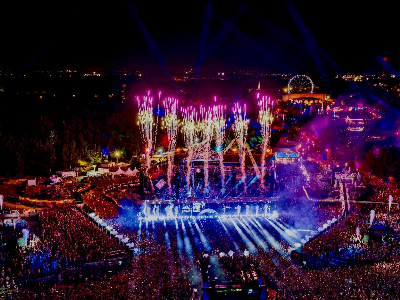
Перші вихідні Tomorrowland, що тривали 17–19 липня, супроводжувалися суперечкою навколо заборони феєрверків через посуху та підвищену пожежну небезпеку. Обмеження запровадили мери Бома й Румста спільно з губернаторкою провінції Антверпен Кеті Беркс за рекомендацією пожежної служби. Через тривалу спеку й відсутність опадів природні території регіону перебували на помаранчевому рівні пожежної небезпеки. Заборона поширювалася як на фестивальний парк De Schorre, так і на кемпінг DreamVille.
Tomorrowland Lovers
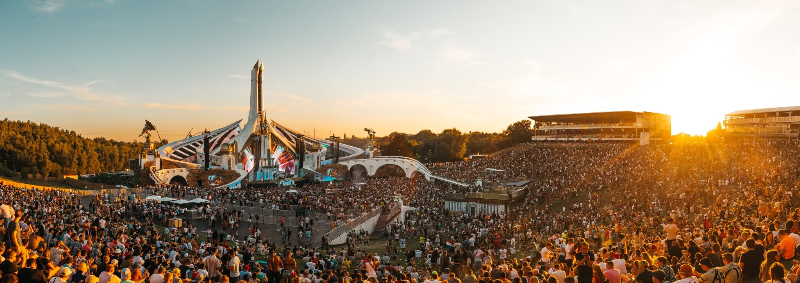
Водночас міжнародна музична преса розглядала цей випадок як показовий для всієї індустрії. Дедалі частіші періоди спеки, посухи та високої пожежної небезпеки змушують організаторів переосмислювати ефекти, які десятиліттями вважалися невіддільною частиною масових шоу. Особливо символічною заборона стала через рік після пожежі, що напередодні фестивалю 2025 року знищила головну сцену Tomorrowland.
Tomorrowland Lovers
Історична довідка
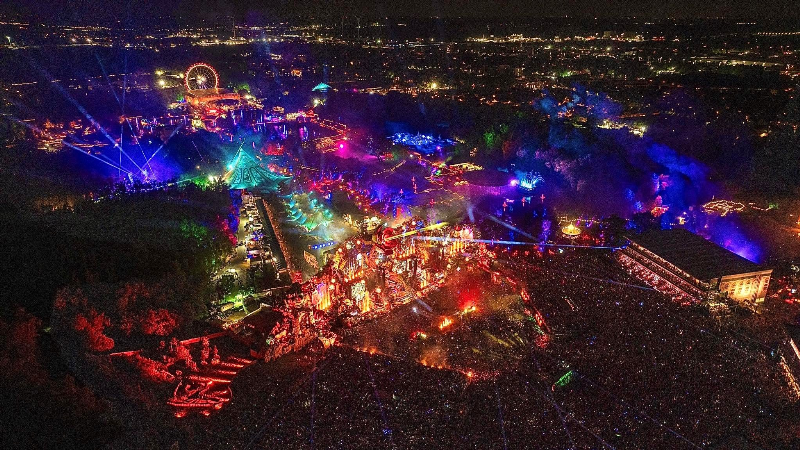
Tomorrowland заснували бельгійські брати Ману та Міхіл Берс. Перший фестиваль відбувся 14 серпня 2005 року в парку De Schorre у Бомі, неподалік Антверпена, і зібрав близько 10 тисяч глядачів. Світовій популярності заходу сприяли онлайн-трансляції та видовищні післяфестивальні відео, які набирали мільйони переглядів на YouTube. Згодом Tomorrowland перетворився на глобальний бренд із фестивалями у Бразилії, США та французьких Альпах, цифровими випусками під час пандемії, власною радіостанцією, музичним лейблом і туристичною програмою Global Journey. Сьогодні бельгійський фестиваль проходить упродовж двох вихідних і зазвичай приймає близько 400 тисяч відвідувачів із понад 200 країн. У різні роки на сценах Tomorrowland виступали найвідоміші предст
авники електронної музики, серед яких David Guetta, Tiësto, Armin van Buuren, Martin Garrix, Avicii, Swedish House Mafia, Calvin Harris, Hardwell, Steve Aoki, Afrojack, The Chainsmokers, Charlotte de Witte, Amelie Lens, Eric Prydz, Paul Kalkbrenner, Black Coffee, Lost Frequencies та Dimitri Vegas & Like Mike.
Heat forces Tomorrowland, one of the world’s most spectacular festivals, to abandon fireworks
For Tomorrowland, whose global identity rests heavily on synchronised fireworks, pyrotechnic displays and monumental stage design, the decision represented more than a technical restriction: it challenged the very model of spectacle on which the festival has built its reputation. Organisers pledged to compensate for the absence of pyrotechnics with an expanded lighting design and other visual effects. A drone show was ruled out because of the site’s proximity to an airport. Belgian festival expert Peter Decuypere urged audiences not to overstate the disruption: “If there is one festival that understands the risk of fire, it is Tomorrowland. This is about protecting both festivalgoers and the environment.”
International music publications, however, treated the episode as indicative of a broader challenge facing the live-events industry. Increasingly frequent periods of extreme heat, drought and heightened wildfire risk are forcing organisers to reconsider effects that have long been regarded as an integral part of large-scale entertainment. The ban carried particular symbolic weight because it came only a year after a fire destroyed Tomorrowland’s main stage shortly before the opening of the 2025 festival.
Tomorrowland was founded by the Belgian brothers Manu and Michiel Beers. The first edition took place on 14 August 2005 at De Schorre park in Boom, near Antwerp, and attracted around 10,000 people. Online broadcasts and spectacular aftermovies, which drew millions of views on YouTube, later helped propel the event to worldwide prominence. Tomorrowland subsequently developed into a global brand, staging festivals in Brazil, the United States and the French Alps. It also launched digital editions during the pandemic, its own radio station and record label, and the Global Journey travel programme.
Today, the Belgian festival is held over two weekends and typically welcomes around 400,000 visitors from more than 200 countries. Over the years, its stages have hosted many of the biggest names in electronic music, including David Guetta, Tiësto, Armin van Buuren, Martin Garrix, Avicii, Swedish House Mafia, Calvin Harris, Hardwell, Steve Aoki, Afrojack, The Chainsmokers, Charlotte de Witte, Amelie Lens, Eric Prydz, Paul Kalkbrenner, Black Coffee, Lost Frequencies and Dimitri Vegas & Like Mike.
1941