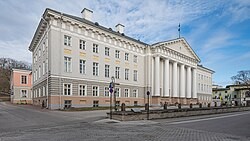
©
Як змінювалося населення Європи впродовж століть, звідки прибували люди й які хвороби супроводжували їх задовго до появи сучасної медицини? Відповіді на ці запитання науковці шукають у давній ДНК, що збереглася в людських останках. Стефанія Сассо, дослідниця Інституту геноміки Тартуського університету, присвятила докторську роботу генетичній історії середньовічного населення Естонії та території сучасної Бельгії. Її дослідження показує, як генетика в поєднанні з археологією допомагає відкривати нові сторінки європейського минулого. В Естонії початок середньовіччя традиційно пов’язують із XIII століттям — часом Північних хрестових походів, завоювання місцевих земель і поширення християнства. Проте зміни політичної влади не означали, що населення краю стало однорідним.
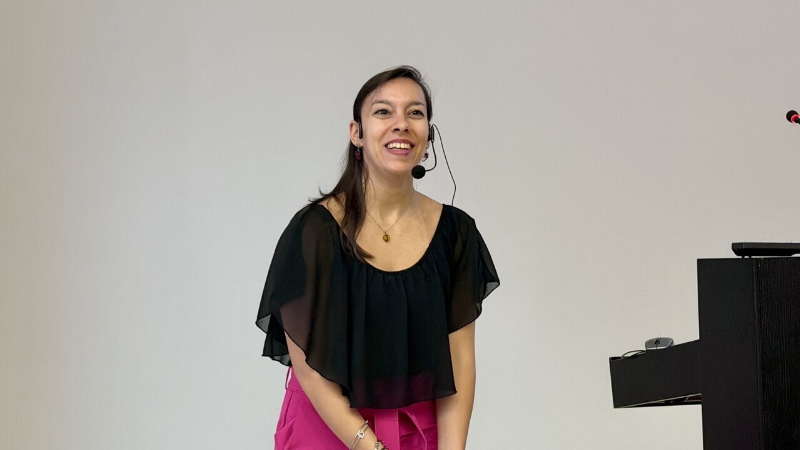
Cтефанія Сассо, Тартусський університет
Аналіз давньої ДНК засвідчив, що в середньовічних естонських містах жили люди різного походження. Зокрема, останки з кладовища біля Тартуського собору виявили значну генетичну спорідненість із сучасними популяціями Центральної та Західної Європи. Це узгоджується з історичним припущенням, що тут ховали представників німецької еліти.
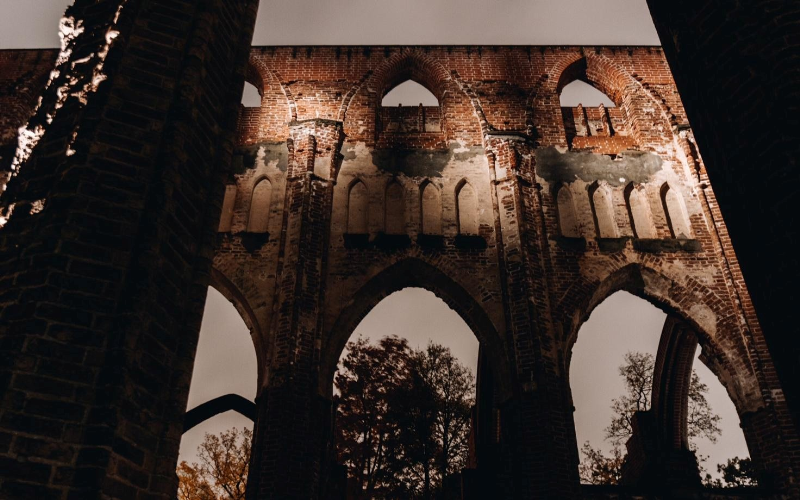
Руїни Тартусського собору, kultuur.err.ee
На сільських цвинтарях картина була іншою: поховані там люди становили генетично близьку групу, споріднену із сучасними естонцями. Це свідчить про тривалу спадкоємність місцевого населення. Водночас у деяких останках виявили ознаки змішаного походження, що вказують на контакти між місцевими громадами та прибульцями. Окремі зразки засвідчили також зв’язки зі Скандинавією та східнішими регіонами. Отже, середньовічні міста Естонії були місцем зустрічі різних груп населення, тоді як у сільських громадах простежується виразніша генетична тяглість.Водночас генетична спорідненість не тотожна культурній чи національній ідентичності. ДНК допомагає встановити біологічні зв’язки між людьми, але не розповідає сама по собі, якою мовою вони розмовляли, до якої спільноти належали чи як усвідомлювали власну ідентичність.
Давня ДНК зберігає не лише відомості про походження людей, а й сліди хвороб, із якими людство стикалося тисячоліттями. В окремому дослідженні за участю науковців Тартуського університету проаналізували останки майже 4000 людей з археологічних пам’яток Європи. У 11 випадках вдалося виявити й дослідити вірусну ДНК. Серед зразків були й останки людей, які жили в середньовічній Естонії. Дослідники вивчали герпесвіруси людини HHV-6A та HHV-6B. Вони поширені й сьогодні: люди зазвичай стикаються з ними ще в ранньому дитинстві. Особливість цих вірусів полягає в тому, що в рідкісних випадках їхня ДНК вбудовується в хромосоми людини й може передаватися наступним поколінням. Аналіз давніх зразків допомагає простежити історію цієї взаємодії на відстані тисячоліть.
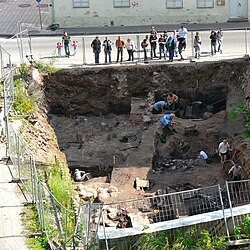
Такі відкриття стали можливими завдяки поєднанню генетики й археології. Місце поховання, поховальний обряд, предмети, знайдені поруч із останками, та письмові джерела допомагають зрозуміти, у якому світі жила людина. Генетичний аналіз доповнює цю картину: виявляє спорідненість, дає змогу простежити міграції та знаходити сліди давніх інфекцій. Робота Стефанії Сассо показує, що історія середньовічної Європи була значно складнішою, ніж може здаватися за письмовими джерелами. Міста об’єднували людей різного походження, сільські громади зберігали генетичну тяглість, а населення окремих регіонів змінювалося протягом століть. У давніх останках збереглися й свідчення інфекцій, які супроводжували людство задовго до розвитку сучасної медицини.
Ancient DNA Unlocks the Secrets of Medieval Europe: Insights from Estonian Researchers
How did Europe’s population change over the centuries? Where did people come from, and what diseases affected them long before modern medicine emerged? Scientists are finding answers in ancient DNA preserved in human remains.Stefania Sasso, a researcher at the University of Tartu’s Institute of Genomics, devoted her doctoral research to the genetic history of medieval populations in Estonia and present-day Belgium. Her work shows how combining genetics with archaeology can shed new light on Europe’s past.
In Estonia, the medieval period is conventionally dated to the 13th century, when the Northern Crusades brought conquest, major social changes and the spread of Christianity. Yet the transformation of political power did not make the region’s population homogeneous.Ancient DNA analysis has revealed that medieval Estonian towns were home to people of diverse ancestry. Remains from the cemetery at Tartu Cathedral, for example, show strong genetic affinities with present-day populations of Central and Western Europe. This supports the historical interpretation of the site as a burial ground for members of the German elite.
Rural cemeteries tell a different story. The people buried there formed a genetically cohesive group closely related to present-day Estonians, pointing to long-term continuity in the local population. Some individuals, however, had mixed ancestry, suggesting contact and gene flow between local communities and newcomers. Other samples indicate connections with Scandinavia and regions farther east.
Medieval Estonian towns, therefore, brought together people of different backgrounds, while rural communities showed stronger signs of genetic continuity. Genetic ancestry, however, is not the same as cultural or national identity. DNA can reveal biological relationships between people, but it cannot, on its own, tell us what language they spoke, which community they belonged to or how they understood their own identity.
Ancient DNA preserves not only evidence of human origins but also traces of diseases that have affected people for thousands of years. In a separate study involving researchers from the University of Tartu, scientists analysed remains from nearly 4,000 individuals recovered at archaeological sites across Europe. Viral DNA was identified and examined in 11 cases, including remains of people who lived in medieval Estonia.
The researchers studied human herpesviruses HHV-6A and HHV-6B. Both are widespread today, and people typically encounter them in early childhood. In rare cases, the DNA of these viruses becomes integrated into human chromosomes and can be passed down through generations. Ancient samples allow scientists to trace this relationship back thousands of years.
These discoveries have been made possible by bringing genetics and archaeology together. Burial sites, funerary practices, objects found alongside human remains and written records help researchers reconstruct the world in which people lived. Genetic analysis adds another layer of evidence, revealing biological relationships, helping trace population movements and identifying traces of ancient infections.
Sasso’s research highlights the complexity of medieval European history. Towns brought together people of diverse ancestry, rural communities retained signs of genetic continuity, and populations across different regions changed over the centuries. Human remains also preserve evidence of infections that affected people long before the advent of modern medicine.By combining genetic evidence with archaeological and historical findings, researchers can move beyond familiar accounts of the past and uncover a more detailed picture of how Europe’s populations developed.
230