© Facebook Crearé
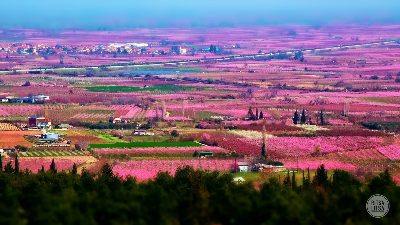
Поблизу міста Верія в Центральній Македонії десятки тисяч гектарів персикових садів одночасно спалахують ароматним цвітом, утворюючи характерний рожевий ландшафт. Цього року цей природний цикл знову став приводом для масового інтересу до регіону Іматія — одному з головних центрів садівництва в Греції. Саме тут зосереджена значна частина виробництва персиків, які країна експортує до десятків європейських ринків. Грецькі персики вважаються одними з ключових аграрних продуктів держави: кліматичні умови півночі — поєднання м’якої зими, достатньої вологості та сонячних періодів — створюють сприятливе середовище для вирощування цієї культури. Сезон цвітіння триває відносно недовго — приблизно два-три тижні. У цей час рівнина, що простягається між Вермійськими горами та узбережжям, перетворюється на суцільний картатий масив. Саме цей ефект і став основою для формування нового туристичного формату, який у місцевих медіа дедалі частіше порівнюють із японським ханамі. Ініціатива перетворити аграрне явище на культурну подію з’явилася відносно нещодавно. Як пояснюють організатори, ідея полягала в тому, щоб «відкрити регіон через його природний ритм» і водночас створити новий тип туристичного досвіду — не пов’язаний із традиційними курортами чи археологічними пам’ятками.
Цьогоріч сезон розпочався раніше через м’яку зиму, що також вплинуло на динаміку відвідуваності. Сьогодні йдеться не лише про природне явище, а про приклад того, як аграрний ресурс може бути переосмислений як культурний і туристичний продукт. Іматія, яка донедавна асоціювалася передусім із виробництвом фруктів, поступово закріплює за собою ще одну роль — простору сезонних подій, що формують нову карту весняного туризму в Європі.
Northern Greece bursts into a “pink sea”
Near the city of Veria in Central Macedonia, tens of thousands of hectares of peach orchards come into bloom at once, transforming the landscape into a vast expanse of soft pink. This year, the seasonal spectacle has once again drawn significant attention to the region of Imathia — one of Greece’s main centres of fruit cultivation. A substantial share of the country’s peach production is concentrated here, much of it exported to markets across Europe. Greek peaches are considered a key agricultural product, with the region’s climate — mild winters, sufficient rainfall and long periods of sunshine — providing favourable conditions for their cultivation.
The flowering season is relatively brief, lasting around two to three weeks. During this time, the plain stretching between the Vermio mountains and the coast takes on the appearance of a continuous patterned landscape. This visual effect has become the basis for a new tourism format, increasingly compared in local media to Japan’s hanami tradition. The idea of turning an agricultural cycle into a cultural event emerged only recently. According to organisers, the aim was to “open up the region through its natural rhythm” while offering a different kind of visitor experience — one that is not tied to conventional seaside resorts or archaeological landmarks. This year, a mild winter brought the bloom earlier than usual, influencing visitor flows. What is unfolding is no longer just a natural phenomenon, but an example of how an agricultural resource can be reframed as a cultural and tourism product. Imathia, long associated primarily with fruit production, is gradually establishing itself as a destination for seasonal events, contributing to a shifting map of spring tourism in Europe.
1936