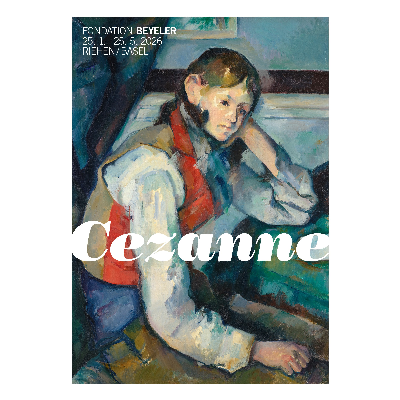
© Fondation Beyeler
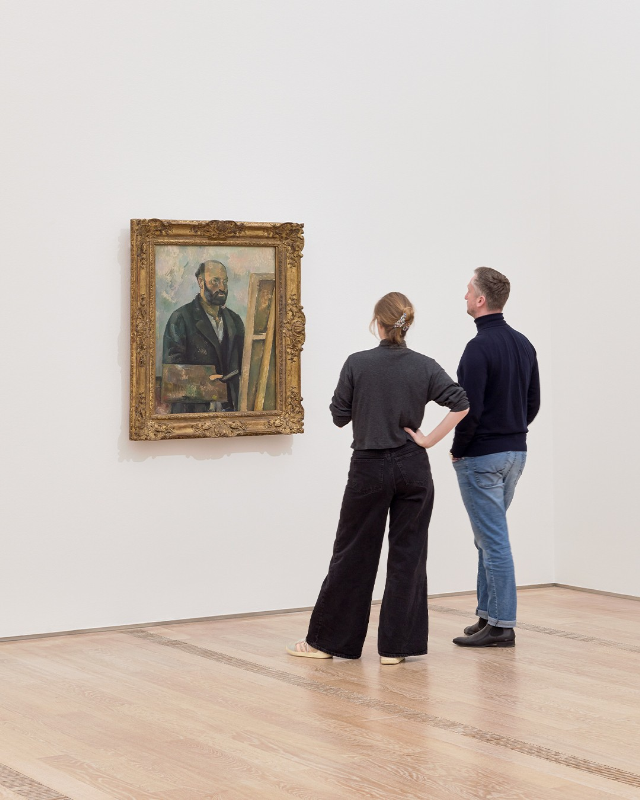
У Fondation Beyeler поблизу Базеля триває виставка, яку європейська мистецька преса вже без перебільшення називає однією з ключових музейних подій 2026 року. Велика ретроспектива Поля Сезанна, зосереджена насамперед на його пізньому періоді, об’єднала близько вісімдесяти робіт із провідних музеїв та приватних колекцій — і перетворилася не просто на черговий «великий проєкт», а на масштабну спробу пояснити, як саме європейський живопис перейшов у модерну епоху.
Fondation Beyeler
Financial Times присвятила експозиції великий текст однієї з найавторитетніших мистецьких оглядачок Європи Джекі Вулльшлеґер. У своїй рецензії вона називає виставку «винятковою», а самого Сезанна — художником, який фактично «звільнив живопис» від обов’язку буквально копіювати реальність. На її думку, саме в останні роки життя митець починає працювати з кольором і формою так, ніби руйнує сам принцип традиційної перспективи — і тим самим відкриває шлях не лише кубізму, а й усьому мистецтву ХХ століття. Особливу увагу критики звертають на пізні пейзажі Мон-Сент-Віктуар, натюрморти та знамениті композиції з купальниками. У цих роботах, пише Financial Times, простір більше не будується за академічними правилами: він пульсує кольором, світлом і внутрішнім ритмом полотна. Саме тому сьогодні Сезанна дедалі частіше сприймають не як «останнього імпресіоніста», а як першого художника модернізму.
www.swissinfo.ch
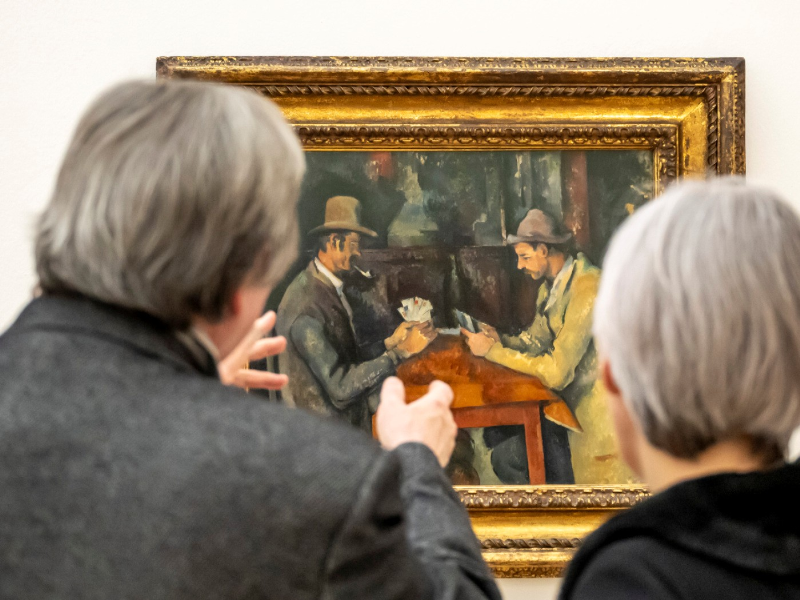
Італійське Finestre sull’Arte у матеріалі Федеріко Джанніні називає проєкт Fondation Beyeler «першою по-справжньому великою монографічною виставкою Сезанна» в історії музею. На думку оглядача, куратори свідомо відмовляються від звичного образу «спокійного» імпресіоніста й показують художника майже радикального — нервового, експресивного, інколи навіть близького до абстракції.
У самій Fondation Beyeler наголошують: виставка має пояснити, чому Пабло Пікассо називав Сезанна «батьком усіх нас». Ідеться не лише про вплив на кубізм чи модернізм загалом, а про сам момент народження нового способу бачити світ у мистецтві. На цьому тлі міжнародна арт-преса дедалі частіше говорить про ширший культурний процес, про «велике повернення модерністських ретроспектив» до європейських музеїв після тривалого періоду домінування contemporary art та цифрових експериментів. Для багатьох інституцій модернізм сьогодні знову стає не історією минулого, а способом зрозуміти витоки сучасної візуальної мови.
Fondation Beyeler
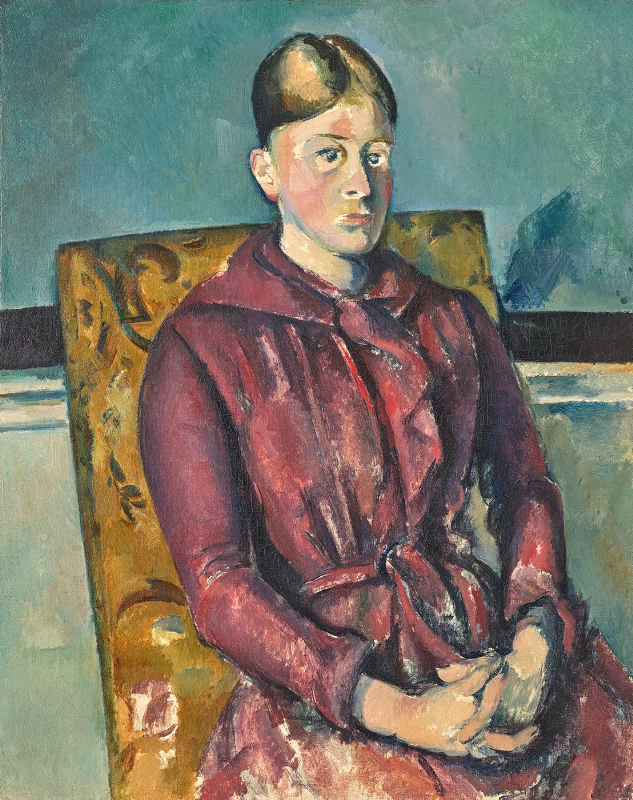
Американський Observer у тексті мистецького критика Пітера Плейгенса назвав виставку «експозицією, наповненою шедеврами», окремо відзначивши пізні роботи із серії «Купальники», де людські фігури майже розчиняються у структурі ландшафту та кольору. Саме ці полотна, на думку критика, найсильніше демонструють, як Сезанн поступово відмовляється від класичної логіки зображення і переходить до майже архітектурного мислення формою.
Для самої Швейцарії виставка також має особливе значення. Fondation Beyeler, створена за проєктом Ренцо П’яно, вже давно входить до числа головних музейних просторів Європи. За останні роки тут проходили великі виставки Анрі Матісса, Клода Моне, Пабло Пікассо та Жан-Мішеля Баскія. Однак нинішній проєкт про Сезанна багато оглядачів уже називають моментом, коли Базель остаточно закріпив за собою статус одного з головних центрів європейського мистецького життя 2026 року.
Cézanne in Switzerland: The Exhibition Reopening the Origins of Modernism
At the Fondation Beyeler near Basel, a major exhibition is currently underway that the European art press is already describing, without exaggeration, as one of the defining museum events of 2026. The large-scale retrospective dedicated to Paul Cézanne — focused primarily on his late work — brings together around eighty paintings from leading museums and private collections. More than simply another major exhibition project, it has become an ambitious attempt to explain how European painting entered the modern age. Financial Times devoted a major feature to the exhibition by one of Europe’s most respected art critics, Jackie Wullschläger. In her review, she describes the exhibition as “exceptional” and Cézanne himself as the artist who effectively “liberated painting” from the obligation to literally reproduce reality. In her view, it was during the final years of his life that Cézanne began working with colour and form in a way that seemed to dismantle the very principle of traditional perspective — thereby opening the path not only to Cubism, but to the entire course of twentieth-century art.
Critics have paid particular attention to Cézanne’s late landscapes of Mont Sainte-Victoire, his still lifes, and the celebrated Bathers compositions. In these works, Financial Times writes, space is no longer constructed according to academic rules; instead, it seems to pulse with colour, light and the internal rhythm of the canvas itself. This is precisely why Cézanne is increasingly regarded today not as “the last Impressionist”, but as the first painter of modernism. Italian publication Finestre sull’Arte, in an article by Federico Giannini, describes the Fondation Beyeler project as “the first truly major monographic exhibition devoted to Cézanne” in the museum’s history. According to the critic, the curators deliberately move away from the familiar image of Cézanne as a “calm” Impressionist, instead presenting an artist who appears almost radical — restless, intensely expressive, and at times even approaching abstraction.
The Fondation Beyeler itself emphasises that the exhibition is intended to explain why Pablo Picasso once described Cézanne as “the father of us all”. The point is not merely his influence on Cubism or on modernism in general, but the very moment when a new way of seeing the world through art began to emerge. Against this backdrop, the international art press has increasingly begun to speak of a broader cultural shift — a “major return of modernist retrospectives” to European museums after years dominated by contemporary art and digital experimentation. For many institutions today, modernism is once again being understood not as a closed chapter of the past, but as a way of tracing the origins of the contemporary visual language.
In an article for the American publication Observer, art critic Peter Plagens described the exhibition as “a show filled with masterpieces”, paying particular attention to the late works from the Bathers series, where human figures seem almost to dissolve into the structure of landscape and colour. According to the critic, these paintings most powerfully demonstrate how Cézanne gradually abandoned the classical logic of representation and moved toward an almost architectural understanding of form.
For Switzerland itself, the exhibition also carries particular symbolic significance. The Fondation Beyeler, designed by Renzo Piano, has long been regarded as one of Europe’s leading museum spaces. In recent years, it has hosted major exhibitions devoted to Henri Matisse, Claude Monet, Pablo Picasso and Jean-Michel Basquiat. Yet many critics already describe the current Cézanne project as the moment when Basel firmly reasserted its position as one of Europe’s leading artistic centres in 2026.
142