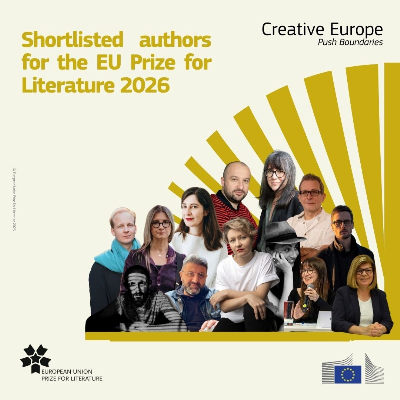
© Creative Europe
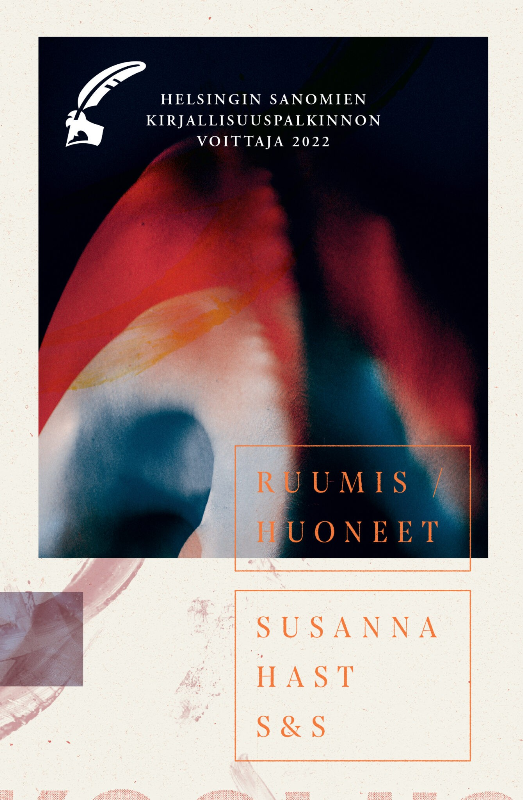
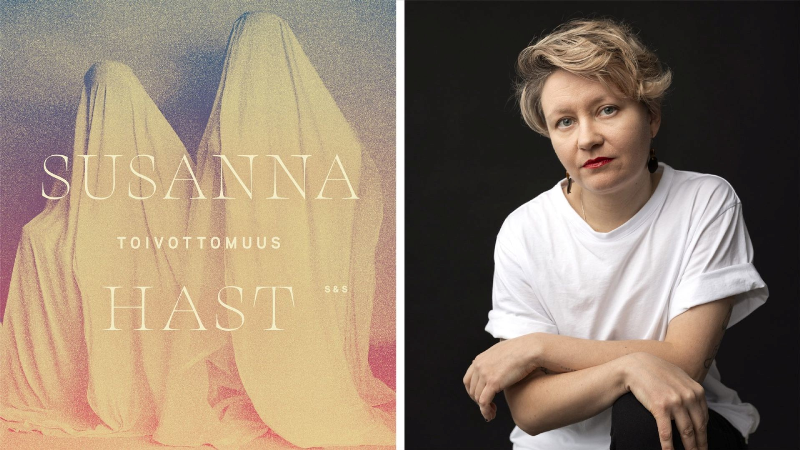
Роман фінської письменниці Сусанни Гаст «Безнадія» (Toivottomuus, видавництво S&S, 2025) став офіційною кандидатурою від Фінляндії на здобуття European Union Prize for Literature — Премії Європейського Союзу з літератури. Ім’я лауреата оголосять 29 травня у Варшаві. Цьогоріч до фінального списку увійшли 14 авторів із різних країн Європи. Фінського претендента обирали провідні інституції книжкового ринку Фінляндії — Lukukeskus, Kirjakauppaliitto та газета Aamulehti — серед романів, опублікованих упродовж останніх півтора року. Однією з головних вимог до кандидатів є відповідність твору цінностям Європейського Союзу — рівності, відкритості та толерантності. «Безнадія» — другий роман Сусанни Гаст. Її дебютна книжка «Тіло/Кімнати» (Ruumis/huoneet, 2022) була відзначена престижною Helsingin Sanomat Literature Prize — літературною премією газети Helsingin Sanomat за найкращий дебют року.
Фінська критика вже називає Гаст однією з найпомітніших авторок нового покоління. Провідний літературний оглядач Антті Майяндер у Helsingin Sanomat звертав увагу на «щільність і багатошаровість» сучасної фінської прози, до якої критики зараховують і тексти письменниці. У фінських літературних медіа неодноразово відзначали психологічну напругу її письма, а також роботу з темами тілесності, пам’яті та сімейної травми. Саму авторку цитували в контексті дискусії про «невидиме структурне насильство у стосунках матері й доньки» — одну з ключових тем нового роману. Книжка порушує складні питання родинної пам’яті, емоційної спадковості та відповідальності. У центрі сюжету — взаємини матері й доньки та спроба відповісти на питання, чи можливо зрозуміти близьку людину «попри все».
Офіційний сайт EUPL наголошує, що однією з головних цілей премії є підтримка мовного та культурного розмаїття Європи, а також популяризація літератур із країн, які раніше були менш представлені на міжнародному книжковому ринку.
Довідка
Премію European Union Prize for Literature засновано у 2009 році в межах програми Creative Europe. Її мета — підтримка сучасної європейської прози, відкриття нових авторів та заохочення перекладів між європейськими мовами. Лауреат отримує €10 000, окрім того присуджуються дві спеціальні відзнаки по €5 000. Остаточного переможця визначає міжнародне журі, до складу якого входять семеро європейських експертів. За даними офіційного сайту EUPL, із 2009 року в програмі премії взяли участь понад 216 авторів із різних країн Європи. Лауреаткою 2025 року стала Міхаела Шуміч із Боснії і Герцеговини за роман «Гербарій святої смерті». Серед українських авторів, представлених у різні роки в програмі EUPL: Галина Матвеєва, Софія Андрухович та Євгенія Кузнєцова.Початок форми
Finnish Writer Susanna Hast Nominated for the European Union Prize for Literature
The novel Despair (Toivottomuus, S&S, 2025) by Finnish writer Susanna Hast has been selected as Finland’s official nominee for the European Union Prize for Literature (EUPL). The winner will be announced on May 29 in Warsaw. This year’s shortlist includes 14 authors from different European countries. The Finnish nominee was selected by the country’s leading book-market institutions — Lukukeskus, Kirjakauppaliitto, and the newspaper Aamulehti — from among novels published during the past eighteen months. One of the key criteria for nomination is that the work reflects the core values of the European Union, including equality, openness, and tolerance. Despair is Susanna Hast’s second novel. Her debut book, Body/Rooms (Ruumis/huoneet, 2022), received the prestigious Helsingin Sanomat Literature Prize, awarded annually by the newspaper Helsingin Sanomat for the best literary debut of the year.
Finnish critics already regard Hast as one of the most notable authors of a new literary generation. Antti Majander, a leading literary critic at Helsingin Sanomat, has highlighted the “density and multilayered nature” of contemporary Finnish prose, a tradition to which critics also associate Hast’s work. Finnish literary media have repeatedly noted the psychological intensity of her writing, as well as her exploration of themes such as corporeality, memory, and family trauma. The author herself has been cited in discussions of “invisible structural violence in the relationship between mother and daughter” — one of the central themes of her new novel. The book addresses complex questions of family memory, emotional inheritance, and responsibility. At the heart of the narrative is the relationship between a mother and her daughter, and an attempt to answer whether it is possible to understand a loved one “despite everything.” The official EUPL website emphasizes that one of the prize’s principal objectives is to support Europe’s linguistic and cultural diversity and to promote literature from countries that have traditionally been less represented in the international book market.
Background
The European Union Prize for Literature (EUPL) was established in 2009 as part of the Creative Europe programme. Its mission is to support contemporary European fiction, discover emerging literary voices, and encourage the translation of works across European languages. The winner receives a prize of €10,000, while two special mentions of €5,000 each are also awarded. The final laureate is selected by an international jury composed of seven European experts. According to the official EUPL website, more than 216 authors from across Europe have participated in the prize programme since 2009. The 2025 laureate was Mhaela Šumić of Bosnia and Herzegovina for her novel Herbarij svete smrti (Herbarium of the Holy Death). Among the Ukrainian authors who have been represented in the EUPL programme in different years are Halyna Matvieieva, Sofia Andrukhovych, and Yevheniia Kuznetsova.
175