© https://www.delfi.lv/
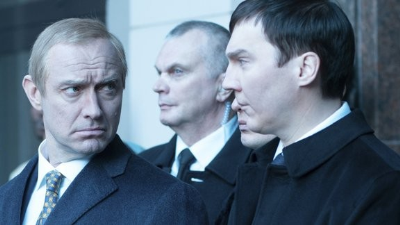
Стрічка про механізми влади Володимира Путіна, частково знята в Латвії, спричинила дискусію щодо меж культурної співпраці в умовах війни. Після відмови Латвійської агенції інвестицій та розвитку (LIAA) у державному співфінансуванні до критики долучилася Служба державної безпеки (VDD), поставивши під сумнів відповідність проекту національним інтересам. Як повідомила програма “de facto”, питання викликала не лише тематика фільму, а й діяльність компанії “Forma Pro Films”, яка обслуговувала міжнародних продюсерів. Раніше вона співпрацювала з Рамі Аль Хусейні, засудженим у Фінляндії за тяжкі фінансові злочини. У 2024 році компанія подала заявку на підтримку в межах програми стимулювання іноземних кінопроектів, однак отримала відмову. Апеляція не змінила рішення. За даними журналістів, це був перший випадок застосування нового критерію — заборони фінансування проектів, що можуть сприяти політиці Росії чи Білорусі як інструментам “м’якої сили”. Служба безпеки Латвії зазначила, що прямих ознак пропаганди не виявлено, однак фільм не містить чіткого засудження агресивної політики Росії та може формувати вигідний Кремлю дискурс. Розголос ситуації навколо стрічки загострив питання балансу між відкритістю для міжнародного кіновиробництва та захистом національної безпеки. У Латвії культурна політика дедалі більше розглядається як складова безпекової стратегії.
The film “The Kremlin Wizard” has raised security concerns within Latvia’s cultural policy
The film, which explores the mechanisms of Vladimir Putin’s power and was partly shot in Latvia, has sparked debate over the limits of cultural cooperation in wartime. After the Latvian Investment and Development Agency (LIAA) refused to grant state co-financing, the State Security Service (VDD) also voiced criticism, questioning whether the project aligned with national interests. According to the investigative programme “de facto”, concerns extended beyond the film’s subject matter to the activities of the production service company “Forma Pro Films”, which supported international producers in Latvia. The company had previously cooperated with Rami Al Husseini, who was convicted in Finland of serious financial crimes. In 2024, the company applied for support under Latvia’s programme for foreign film production incentives but was rejected. An appeal did not alter the decision. Journalists report that this was the first case in which a new criterion was applied — prohibiting funding for projects that could promote the policies of Russia or Belarus as instruments of “soft power”. Latvia’s security service stated that while no direct propaganda was identified, the film does not contain a clear condemnation of Russia’s aggressive policies and could contribute to a narrative favourable to the Kremlin. The public attention surrounding the case has intensified the debate over how to balance openness to international film production with the protection of national security. In Latvia, cultural policy is increasingly viewed as an integral part of the country’s security strategy.
2769