© The Baillie Gifford Prize
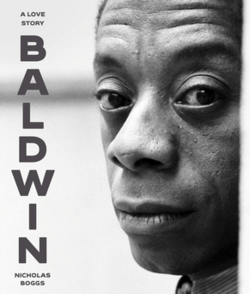
До короткого списку Baillie Gifford Prize for Non-Fiction 2026 увійшли шість книжок, що представляють широкий спектр сучасного літературного нонфікшну — від біографій та історичних досліджень до журналістського розслідування і репортажу з охопленої війною Сирії. Фіналістами стали американський письменник і дослідник Ніколас Боггс із книжкою «Baldwin: A Love Story» про Джеймса Болдвіна; американський журналіст Ананд Гопал із «Days of Love and Rage: A Story of Revolution» про Сирійську революцію; Патрік Радден Кіф із розслідуванням «London Falling: A Mysterious Death in a Gilded City and a Family’s Search for Truth»; британський історик Едмунд Річардсон із біографією Александра Македонського «Alexander: God, King, Man»; британський письменник Метью Світ із біографією Барбари Картленд «The Great Dictator: A Life of Barbara Cartland» та німецько-британська письменниця Андреа Вульф із книжкою «The Traveller: The Revolutionary Life of George Forster and His Search for Humanity». Шість книжок відібрали з понад 350 творів, поданих на премію; перед цим журі сформувало довгий список із 13 видань. Переможець отримає £50 000, його оголосять 4 листопада.
The Baillie Gifford Prize
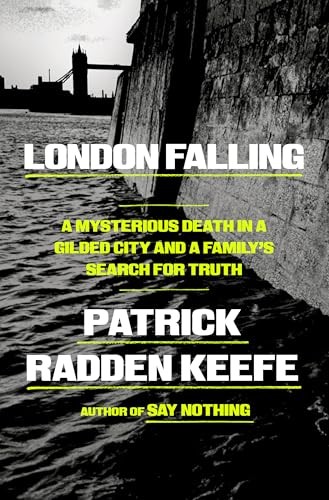
Дві книжки з короткого списку вже привернули особливу увагу британської критики. Ральф Вебб у The Guardian високо оцінив дослідження Ніколаса Боггса про Джеймса Болдвіна, зосереджене на його особистих стосунках і чоловіках, яких письменник кохав. Критик відзначив масштаб джерельної роботи Боггса, назвавши її «вичерпною», а біографічну реконструкцію — майже «надвисокою роздільною здатністю». Кетрін Г'юз у The Guardian звернула увагу на інший підхід у «The Great Dictator» Метью Світа: автор не перетворює Барбару Картленд на кумедну культурну дивину, а серйозно розглядає її феномен і показує, як її життя було пов'язане з економічними, політичними, соціальними та мистецькими змінами ХХ століття. Саме це Г'юз називає головним здобутком біографії.
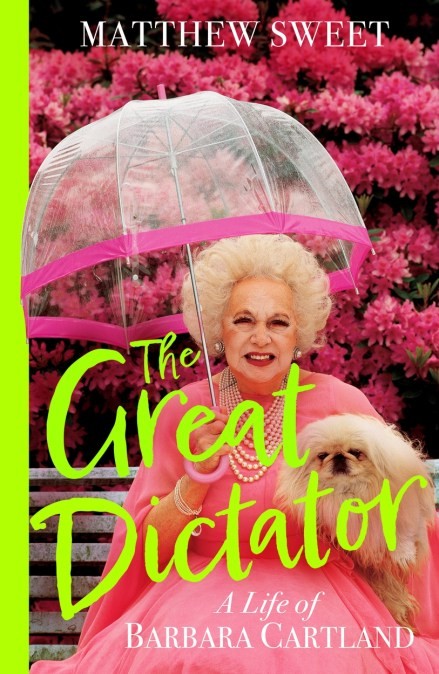
Ще один помітний фіналіст — «London Falling» Патріка Раддена Кіфа, що реконструює обставини загадкової смерті 19-річного Зака Бреттлера, який опинився в небезпечному світі вигаданого багатства, криміналу та лондонських еліт. Рецензент The Guardian Ян Томсон назвав книжку захопливою історією грошей, брехні та трагедії, відзначивши ретельність роботи Кіфа з матеріалами поліції, листуванням, записами допитів і свідченнями батьків загиблого. Андреа Вульф у «The Traveller» повертається до постаті Георга Форстера — німецького натураліста й мандрівника XVIII століття, який ще юнаком вирушив у навколосвітню експедицію Джеймса Кука.
Натомість Едмунд Річардсон пропонує новий погляд на Александра Македонського, а Ананд Гопал розповідає про Сирійську революцію через досвід людей, які жили в охопленій війною країні. Голова журі Кірсті Ленг підкреслила жанрову різноманітність фіналу: шість книжок охоплюють біографію, історію, true crime та міжнародний репортаж, але всі вони, за її словами, зосереджені на людях, які намагаються діяти у складному світі.
Baillie Gifford Prize 2026: Six Books Make the Shortlist for Leading Non-Fiction Award
Six books spanning the breadth of contemporary literary non-fiction — from biography and historical scholarship to investigative journalism and reporting from war-torn Syria — have been shortlisted for the 2026 Baillie Gifford Prize for Non-Fiction. The authors in contention are American writer and scholar Nicholas Boggs, whose Baldwin: A Love Story explores the life of James Baldwin; American journalist Anand Gopal, shortlisted for Days of Love and Rage: A Story of Revolution, about the Syrian Revolution; Patrick Radden Keefe, whose investigative work London Falling: A Mysterious Death in a Gilded City and a Family’s Search for Truth examines a mysterious death in the capital; British historian Edmund Richardson, nominated for Alexander: God, King, Man, a biography of Alexander the Great; British writer Matthew Sweet, whose The Great Dictator: A Life of Barbara Cartland revisits the life of the celebrated romantic novelist; and German-British writer Andrea Wulf, shortlisted for The Traveller: The Revolutionary Life of George Forster and His Search for Humanity. The six books were selected from more than 350 entries, following the announcement of a 13-title longlist. The winner, who will receive £50,000, is due to be announced on 4 November.
Two books on the shortlist have already drawn particular attention from British critics. Writing in The Guardian, Ralf Webb praised Nicholas Boggs’s study of James Baldwin, which places the writer’s intimate relationships and the men he loved at its centre. Webb highlighted the exhaustive nature of Boggs’s research and the extraordinary detail of his biographical portrait. In the same newspaper, Kathryn Hughes welcomed Matthew Sweet’s approach in The Great Dictator. Rather than treating Barbara Cartland as a comic cultural curiosity, Sweet takes her seriously as a subject, placing her life within the economic, political, social and artistic transformations of the 20th century. Hughes identified this as the biography’s principal achievement.
Another prominent contender is Patrick Radden Keefe’s London Falling, which reconstructs the circumstances surrounding the mysterious death of 19-year-old Zac Brettler, a young man drawn into a perilous world of fabricated wealth, crime and London’s elite circles. The Guardian’s Ian Thomson described the book as a compelling account of money, lies and tragedy, praising Keefe’s meticulous use of police records, correspondence, interview transcripts and testimony from Brettler’s parents. In The Traveller, Andrea Wulf turns to the 18th-century German naturalist and explorer Georg Forster, who joined James Cook’s second voyage around the world as a teenager. Edmund Richardson offers a fresh perspective on Alexander the Great, while Anand Gopal tells the story of the Syrian Revolution through the experiences of people living in a country at war. Judging chair Kirsty Lang emphasised the range of the shortlist, which encompasses biography, history, true crime and international reportage. What unites the six books, she said, is their focus on people trying to find their way in a complex world.
1156