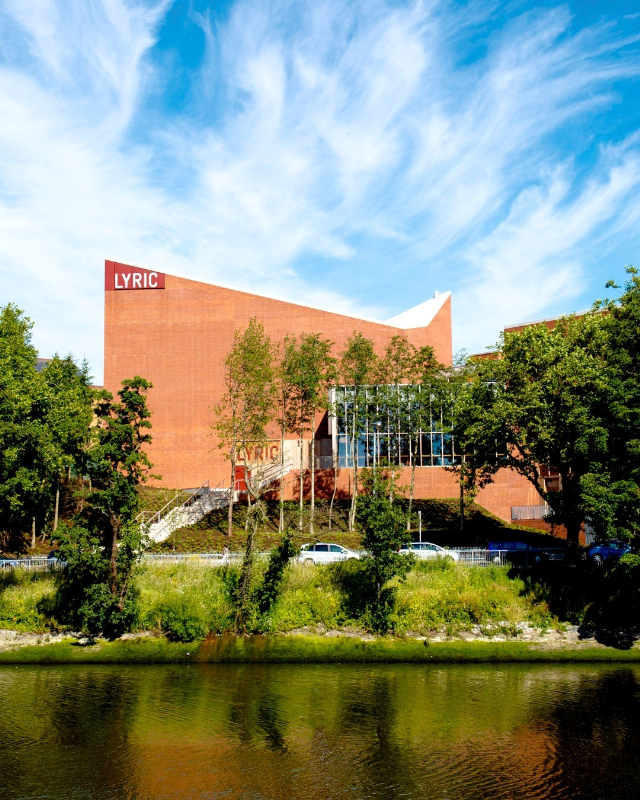
Ювілей Lyric Theatre перетворився не просто на ювілей одного з найвідоміших театрів Ірландії, а на масштабну розмову про сучасну культурну ідентичність Белфаста. Театр, заснований у 1951 році письменницею Мері О’Меллі, виник як невеликий «театр поетів» у приватному будинку, а сьогодні вважається головною драматичною сценою Північної Ірландії. Ювілейний сезон Lyric Theatre активно аналізували британські та ірландські медіа — від The Guardian до The Irish Time. У центрі уваги опинилося не лише минуле театру, а й його нинішня роль у суспільстві, що досі живе з пам’яттю про Північноірландський конфлікт (The Troubles, кінець 1960 -1998рр.), політичну поляризацію та кризу довіри до інституцій.
Театральна журналістка Джейн Койл у The Irish Times писала про театр як про майже «неможливий» культурний проєкт свого часу: «Це було настільки ж неймовірним тоді, як і зараз. Для цього потрібне було справжнє бачення.» Саме ця думка стала головною у більшості аналітичних матеріалів про театр: Lyric Theatre сьогодні розглядають як рідкісний приклад культурної інституції, що пережила конфлікт, політичні кризи й трансформацію самого Белфаста.
У великому матеріалі The Guardian театральний оглядач назвав ювілейний сезон театру «культурним портретом сучасного Белфаста». Особливу увагу критики приділили новій програмі театру, яка поєднала політичну драму, документальний театр, contemporary opera та переосмислення історії Північної Ірландії.
Найбільший резонанс викликало повернення вистави «Чай у порцеляновій чашці» (Tea in a China Cup) драматургині Кріcтіни Ред — однієї з найважливіших театральних робіт про протестантське середовище Белфаста 1980-х років.
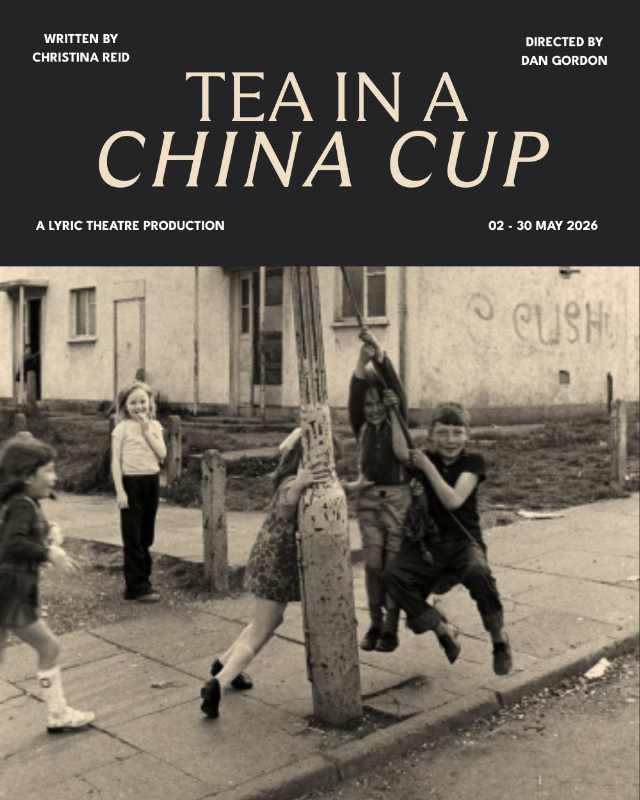
Критики наголошували, що сценічне прочитання вистави звучить сьогодні майже документально — як розмова про пам’ять, жіночий досвід і наслідки політичного насильства.
Ще однією подією сезону знову стала опера «Мерзота: опера про DUP» ( Abomination: A DUP Opera) композитора Конора Мітчелла — одна з найгучніших політичних постановок останніх років у Північній Ірландії.
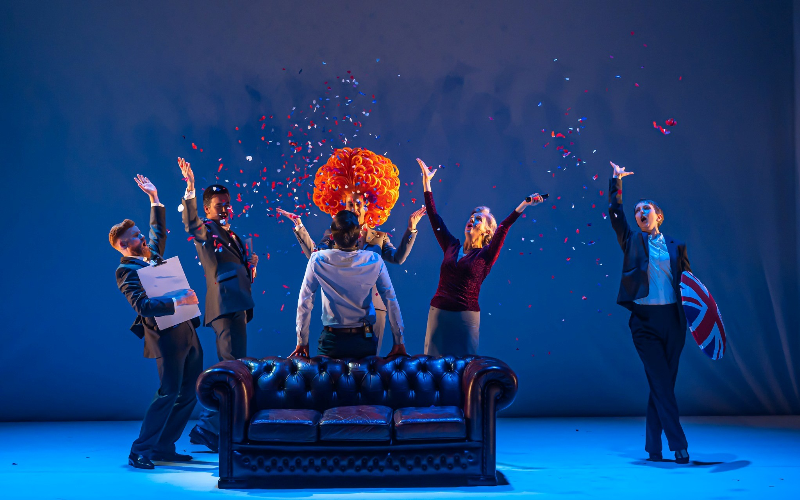
Опера побудована на реальних гомофобних висловлюваннях політиків DUP і ще після прем’єри 2019 року викликала масштабну суспільну дискусію. Оглядачка The Stage Джейн Коул назвала постановку: «Безстрашна й блискуче реалізована нова опера». У професійному театральному середовищі саме цю постановку часто називають прикладом нового політичного театру Північної Ірландії — театру, який перестав уникати прямої розмови про мову ненависті, релігійний консерватизм та травму суспільства після конфлікту.
Водночас культурні журналісти наголошують: головний феномен Lyric Theatre сьогодні — не лише у репертуарі, а у здатності залишатися відкритою публічною платформою для суперечливих і болючих тем. Керівник театру Диммі Фей сформулював це так: «Lyric дає голос кожному у Північній Ірландії. Це маяк». Попри це, фінансова ситуація театру залишається складною. Irish News у 2025 році писала про «різкий дисбаланс фінансування» у мистецькому секторі Північної Ірландії, де значна частина коштів концентрується у Белфасті. Сам Lyric отримав понад £4,2 млн державної підтримки, але культурні менеджери наголошують: навіть ці кошти не відповідають реальним потребам театрального сектору.
За даними самого театру, у 2025 році Lyric Theatre відвідали понад 100 тисяч глядачів, а освітні та outreach-програми охопили понад 7 тисяч дітей і молодих людей у Північній Ірландії. Для регіонального театру це один із найвищих показників на острові Ірландія.У професійному середовищі особливо обговорюють також те, що Lyric є найбільшим роботодавцем театрального сектору Північної Ірландії. Лише у 2024–2025 роках театр залучив 114 штатних працівників та 368 позаштатних співробітників.
From a “Theatre of Poets” to a Cultural Beacon: Ireland Marks 75 Years of Lyric Theatre
The anniversary of Lyric Theatre became more than a celebration of one of Ireland’s best-known theatres — it evolved into a broader conversation about Belfast’s contemporary cultural identity. Founded in 1951 by writer Mary O’Malley, the theatre began as a small “theatre of poets” in a private house and is now regarded as one of the leading dramatic stages in Northern Ireland.
The Lyric Theatre anniversary season was widely discussed across British and Irish media, from The Guardian to The Irish Times. The focus was not only on the theatre’s history, but also on its current role within a society still shaped by the memory of the Northern Irish conflict (The Troubles, late 1960s–1998), political polarisation and a growing crisis of trust in public institutions.
Theatre journalist Jane Coyle wrote in The Irish Times that the theatre was considered an almost “impossible” cultural project in its time: “It was as improbable then as it is now. It took real vision”. That idea became central to many of the analytical pieces devoted to the theatre: today, Lyric Theatre is widely seen as a rare example of a cultural institution that has survived conflict, political crises and the transformation of Belfast itself.
In a major feature for The Guardian, the theatre critic described the theatre’s anniversary season as “a cultural portrait of contemporary Belfast.” Particular attention was given to the new programme, which brought together political drama, documentary theatre, contemporary opera and reinterpretations of Northern Ireland’s history.
The revival of Tea in a China Cup by playwright Christina Reid generated some of the strongest public response of the season. Widely regarded as one of the most important theatrical works about Belfast’s Protestant community in the 1980s, the production was described by critics as feeling almost documentary today — a reflection on memory, female experience and the lasting consequences of political violence.
Another major event of the season was the return of Abomination: A DUP Opera by composer Conor Mitchell — one of the most widely discussed political stage productions in Northern Ireland in recent years. The opera is based on real homophobic statements made by DUP politicians and sparked a major public debate following its premiere in 2019.
Writing for The Stage, critic Jane Coyle described the production as:
“A fearless and beautifully executed new opera.”
Within the professional theatre community, the production is frequently cited as an example of Northern Ireland’s new political theatre — one willing to confront hate speech, religious conservatism and the lasting trauma of post-conflict society directly on stage.
At the same time, cultural journalists argue that the real phenomenon of Lyric Theatre today lies not only in its repertoire, but in its ability to remain an open public platform for controversial and painful subjects. Artistic director Jimmy Fay put it this way:
“The Lyric gives voice to everyone in Northern Ireland. It’s a beacon.”
Despite its cultural success, the theatre’s financial situation remains difficult. In 2025, Irish News wrote about a “dramatic funding imbalance” within Northern Ireland’s arts sector, where a significant share of resources continues to be concentrated in Belfast. Lyric itself received more than £4.2 million in public funding, yet cultural managers insist that even this level of support falls short of the real needs of the theatre sector.
According to the theatre itself, more than 100,000 people attended Lyric Theatre in 2025, while its educational and outreach programmes engaged over 7,000 children and young people across Northern Ireland. For a regional theatre, these are among the highest audience figures on the island of Ireland.
Within the professional theatre community, particular attention has also been paid to the fact that Lyric is now the largest employer in Northern Ireland’s theatre sector. Between 2024 and 2025 alone, the theatre engaged 114 full-time staff members and 368 freelance collaborators.
1855