© Facebook Teatro alla Scala
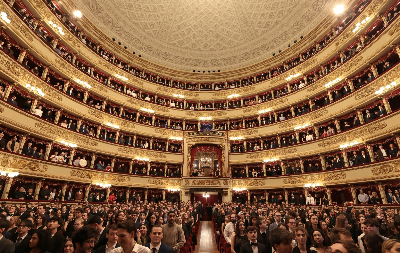
Цього року європейські та американські критики називають нинішню програму La Scala однією з найсильніших за останні роки — не лише через зірковий склад диригентів і співаків, а й завдяки рідкісному поєднанню великого репертуару, сучасної режисури та нової сценічної мови. Французький Le Monde описує La Scala як «театр італійських пристрастей» і водночас — як одну з головних культурних інституцій сучасної Європи. Для багатьох оглядачів саме міланський театр сьогодні демонструє, як історична оперна сцена може поєднувати традицію з естетикою XXI століття.
Facebook Teatro alla Scala
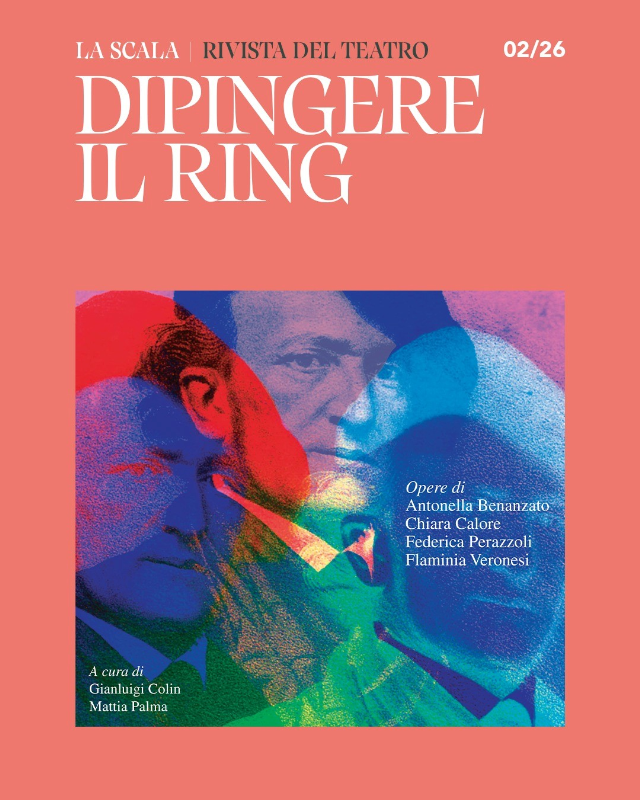
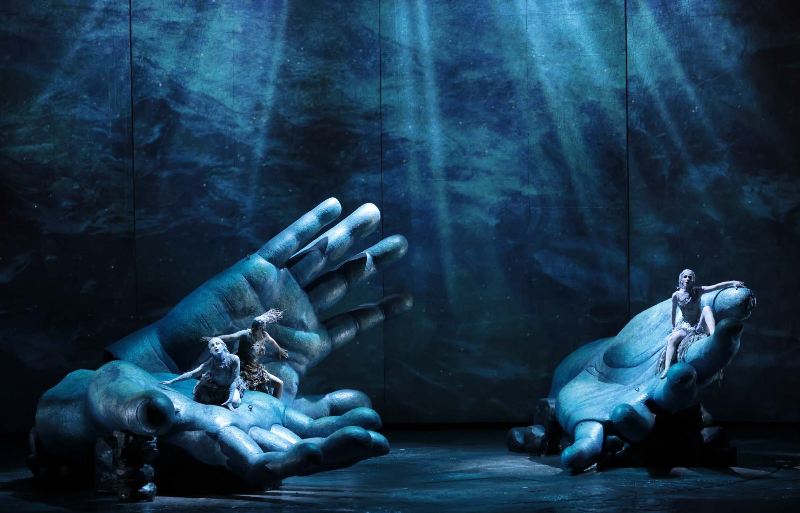
Однією з центральних подій сезону став новий вагнерівський цикл La Scala. Із початку березня 2026 року, з нагоди 150-річчя світової прем’єри тетралогії 1876 року, весь цикл знову буде представлений у форматі одного тижня, як це задумував Ріхард Вагнер. Перший цикл диригував Александр Содді, другий — Сімона Янг. На сцені опери «Золото Рейну», «Валькірія», «Зігфрід» та «Загибель богів», які входять до тетралогії Ріхарда Вагнера Der Ring des Nibelungen — «Перстень Нібелунга». Міжнародна преса розглядає його як один із найамбітніших оперних проєктів нинішнього європейського сезону. Financial Times писала, що нові постановки циклу поєднують «монументальність із кінематографічною пластикою», а сама сценічна мова рухається «між міфом і сучасною тривогою».
Facebook Teatro alla Scala
Американський музичний критик Алекс Росс у своїх текстах про сучасні інтерпретації циклу неодноразово наголошував, що сьогодні найсильніші постановки Вагнера читаються не як реконструкція германського міфу, а як розмова про страхи та кризи сучасної Європи. Британський критик Ендрю Клементс у своїх матеріалах для The Guardian також писав про важливість поєднання психологічної інтимності з масштабом драматургії Вагнера — саме цей баланс багато європейських оглядачів знаходять у нинішньому сезоні міланського театру. Критики особливо виділяють масштабну цифрову сценографію, музичну інтенсивність оркестру La Scala та спробу переосмислити Вагнера мовою сучасного театру.

Facebook Teatro alla Scala
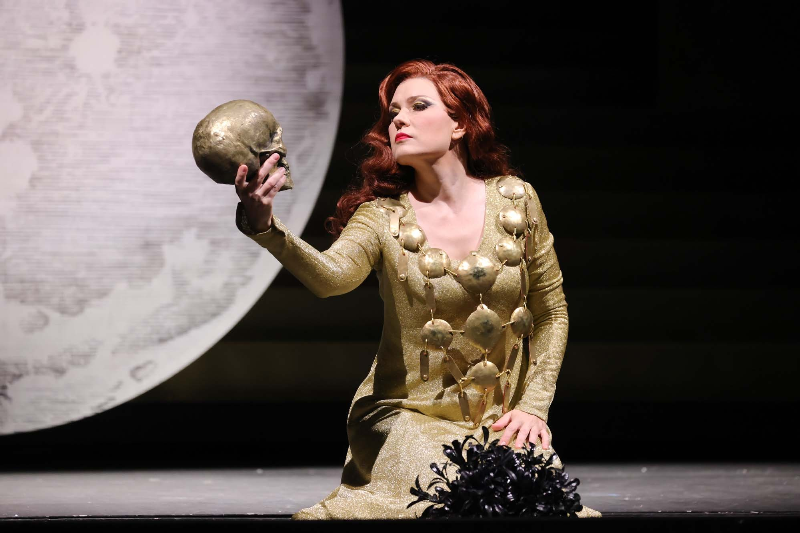
Ще однією сенсацією сезону стало повернення «Норми» Вінченцо Белліні — опери, історично пов’язаної із самим театром: її прем’єра відбулася у La Scala ще у 1831 році.Financial Times назвав нову постановку «приголомшливим тріумфом» (ravishing success), підкресливши, що виставі вдалося повернути bel canto «справжню драматичну напругу».
Facebook Teatro alla Scala
Критики наголошують, що постановка уникає музейної стилізації та працює не як декоративна реконструкція XIX століття, а як психологічний театр сучасних емоцій. Головний музичний критик The New York Times Закарі Вулф неодноразово писав, що найкращі оперні постановки сьогодні — це ті, де «краса вокалу не відділена від психологічної правди персонажа». Саме так багато оглядачів описують і нову «Норму» La Scala. Італійські рецензенти особливо відзначають виняткову вокальну точність та здатність поєднати історичну традицію театру із сучасною сценічною мовою. Для багатьох критиків саме «Норма» стала прикладом того, як класичний репертуар може звучати абсолютно сучасно без радикального переосмислення.
Facebook Teatro alla Scala
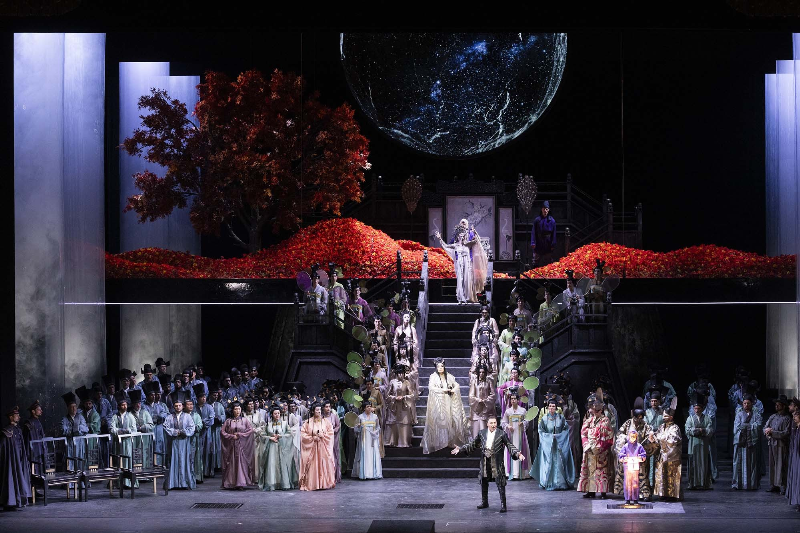
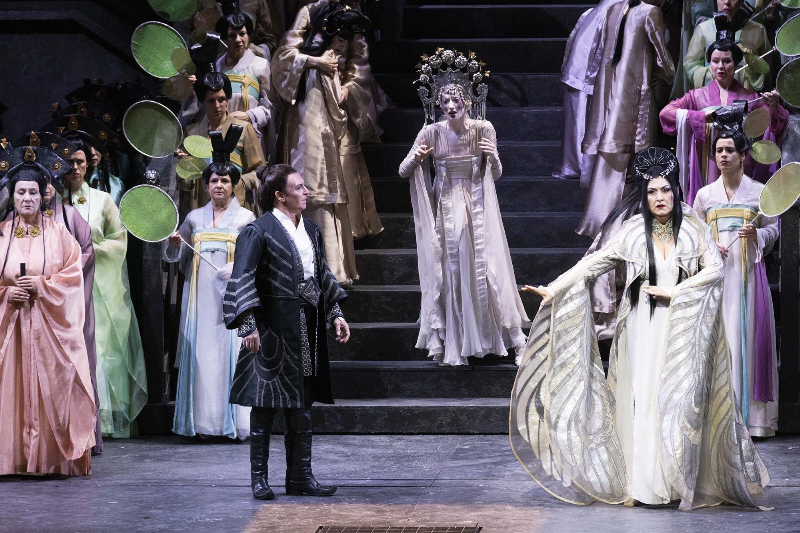
Найбільш технологічною постановкою сезону критики називають «Турандот» Джакомо Пуччіні у режисурі Давіде Лівермора. OperaWire писав, що вистава «повністю використовує технологічні можливості сцени La Scala», перетворюючи оперу на масштабний візуальний спектакль. Andrew Clements у своїх текстах для The Guardian неодноразово зазначав, що сучасна опера дедалі більше існує «на межі між музичним театром, кінематографом і цифровою інсталяцією». Саме в такому контексті європейські оглядачі трактують і нову «Турандот» La Scala. Критики наголошують, що ця постановка стала одним із найяскравіших прикладів того, як великі оперні театри Європи переосмислюють візуальну мову опери у цифрову епоху.
Facebook Teatro alla Scala
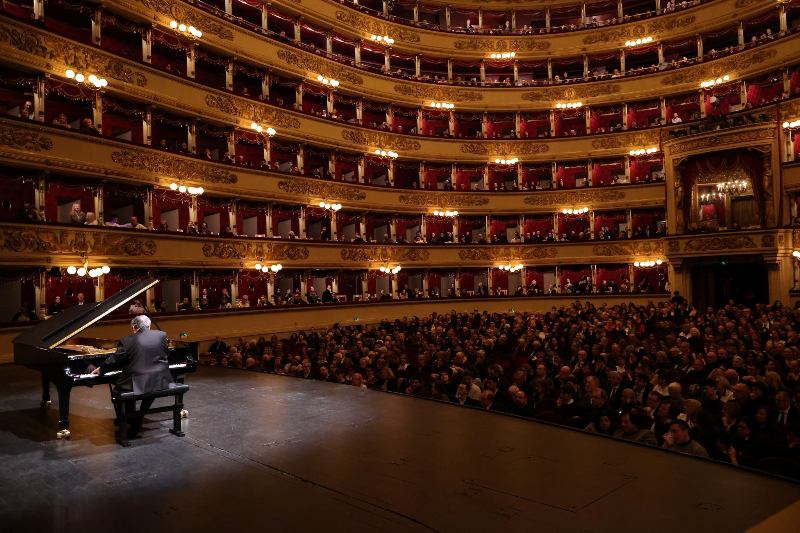
Про сезон 2025–2026 у La Scala автори Opera Online пишуть як про «сезон великих голосів, великих диригентів і великого репертуару», але водночас — як про період зміни поколінь у самому театрі. Саме тому критики дедалі частіше описують La Scala не лише як історичний «храм опери», а як інституцію, що намагається знайти баланс між традицією та сучасною режисурою. Le Monde у великому матеріалі про театр зауважує, що сьогодні La Scala залишається місцем, де «Італія сперечається сама з собою» — про культуру, ідентичність, елітарність і майбутнє європейського мистецтва.
Facebook Teatro alla Scala
La Scala 2025–2026 Once Again Returns Milan to the Forefront of Europe’s Opera Season
This year, European and American critics have described La Scala’s programme as one of the strongest in recent years — not only because of its star-studded line-up of conductors and singers, but also due to its rare combination of grand repertoire, contemporary stage direction and a new stage language. French newspaper Le Monde has portrayed La Scala as a “theatre of Italian passions” and, at the same time, as one of the defining cultural institutions of contemporary Europe. For many commentators, the Milanese opera house today demonstrates how a historic operatic stage can successfully reconcile tradition with the aesthetics of the 21st century.
One of the central events of the season has been La Scala’s new Wagner cycle. Beginning in March 2026, to mark the 150th anniversary of the tetralogy’s world premiere in 1876, the entire cycle will once again be presented over the course of a single week, as Richard Wagner originally intended. The first cycle was conducted by Alexander Soddy, the second by Simone Young. The productions include Das Rheingold, Die Walküre, Siegfried and Götterdämmerung (Twilight of the Gods), all part of Richard Wagner’s tetralogy Der Ring des Nibelungen (The Ring of the Nibelung). The international press has described the project as one of the most ambitious opera projects of the current European season. Financial Times wrote that the new productions combine “monumentality with cinematic visuality”, while the visual language of the cycle moves “between myth and contemporary anxiety”.
American music critic Alex Ross has repeatedly argued in his writings on contemporary interpretations of the cycle that today’s most compelling Wagner productions are read not as reconstructions of Germanic myth, but as conversations about the fears and crises of contemporary Europe. British critic Andrew Clements, writing for The Guardian, has likewise emphasised the importance of balancing psychological intimacy with the monumental scale of Wagnerian drama — a balance many European reviewers identify in La Scala’s current season. Critics have particularly highlighted the large-scale digital scenography, the musical intensity of the La Scala orchestra, and the theatre’s attempt to reinterpret Wagner through the language of contemporary stagecraft.
Another sensation of the season has been the return of Vincenzo Bellini’s Norma — an opera historically intertwined with the theatre itself, having premiered at La Scala in 1831. Financial Times described the new production as a “ravishing success”, noting that it had managed to restore to bel canto its “genuine dramatic tension”. Critics emphasise that the production avoids museum-like stylisation and functions not as a decorative reconstruction of the nineteenth century, but as a psychological theatre of contemporary emotions. The New York Times chief music critic Zachary Woolfe has repeatedly argued that the finest opera productions today are those in which “vocal beauty is inseparable from the psychological truth of the character”. This is precisely how many reviewers have described La Scala’s new Norma.
Italian critics have particularly praised the exceptional vocal precision and the production’s ability to reconcile the theatre’s historical tradition with a contemporary stage language. For many commentators, Norma has become an example of how classical repertoire can feel entirely contemporary without requiring radical reinterpretation.
Critics have described Giacomo Puccini’s Turandot, directed by Davide Livermore, as the most technologically ambitious production of the season. OperaWire wrote that the performance “fully exploits the technological capabilities of La Scala’s stage”, transforming the opera into a large-scale visual spectacle. In his writings for The Guardian, Andrew Clements repeatedly observed that contemporary opera increasingly exists “on the boundary between music theatre, cinema and digital installation”. It is within this context that many European reviewers interpret La Scala’s new Turandot. Critics argue that the production has become one of the clearest examples of how Europe’s major opera houses are rethinking the visual language of opera in the digital age.
Writing about La Scala’s 2025–2026 season, the authors of Opera Online describe it as “a season of great voices, great conductors and great repertoire”, while also portraying it as a moment of generational transition within the theatre itself. For this reason, critics increasingly describe La Scala not merely as a historic “temple of opera”, but as an institution attempting to strike a balance between tradition and contemporary stage direction. In a major feature on the theatre, Le Monde observes that La Scala remains a place where “Italy argues with itself” — about culture, identity, elitism and the future of European art.
2706