© Facebook Escuela de Diseño de Moda ARA
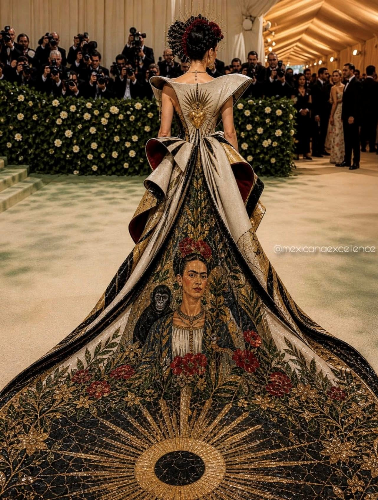
Met Gala повернувся до Нью-Йорка 4 травня з концепцією, яка навіть за мірками цієї події виглядала особливо амбітною: не просто святкувати моду, а представити її як повноцінну форму мистецтва. Щорічний бал у Метрополітен-музей, який організовує Costume Institute під керівництвом Анна Вінтур, давно вийшов за межі благодійного вечора й перетворився на головний ритуал світової модної індустрії. Тема цьогорічної виставки — Costume Art, а дрескод вечора сформулювали як «Мода є мистецтво». Куратор виставки Ендрю Болтон пояснював, що експозиція досліджує «одягнене тіло як художній медіум», поєднуючи історичний костюм, скульптуру, живопис і contemporary couture. У результаті Met Gala 2026 став одним із найбільш концептуально цілісних за останні роки. Багато гостей цього разу не просто демонстрували couture, а буквально перетворювали себе на артоб’єкти, відсилаючи до конкретних творів світового мистецтва.
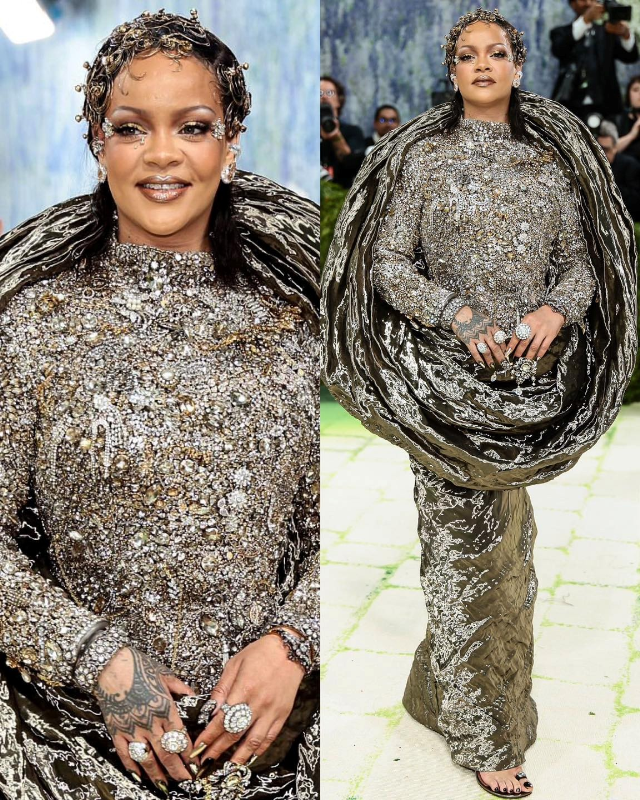
Одним із найобговорюваніших виходів став образ Ріанна у Maison Margiela авторства Гленна Мартенса. Vogue назвав її look «живою скульптурою», а критики побачили в ньому алюзії на модерністську пластику та футуристичні металеві інсталяції ХХ століття.
Facebook Pop Updates
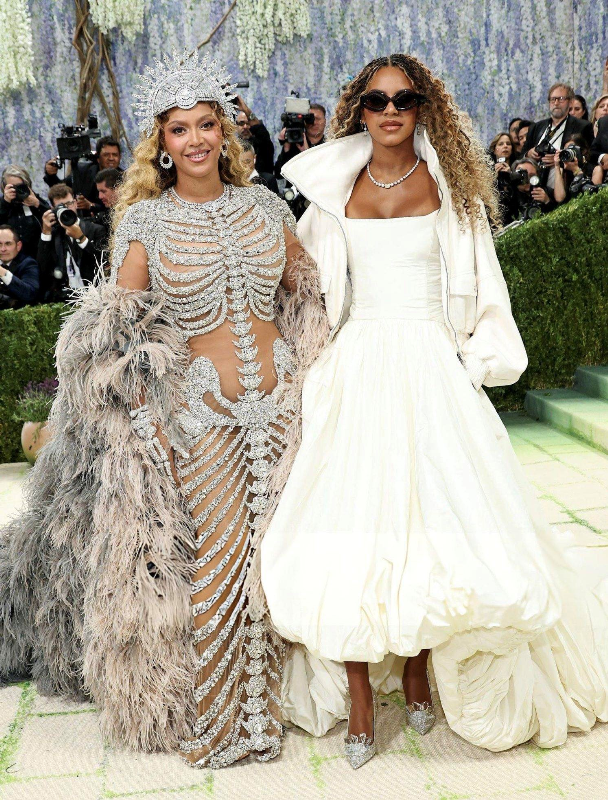
Повернення Бейонсе на Met Gala після тривалої перерви також стало однією з головних подій вечора. Її сукня від Olivier Rousteing із кришталевим анатомічним каркасом відсилала до анатомічних малюнків епохи Відродження та медичних ілюстрацій Леонардо да Вінчі. Оглядачі The Cut назвали цей образ одним із найточніших втілень теми «Fashion Is Art».
www.today.com
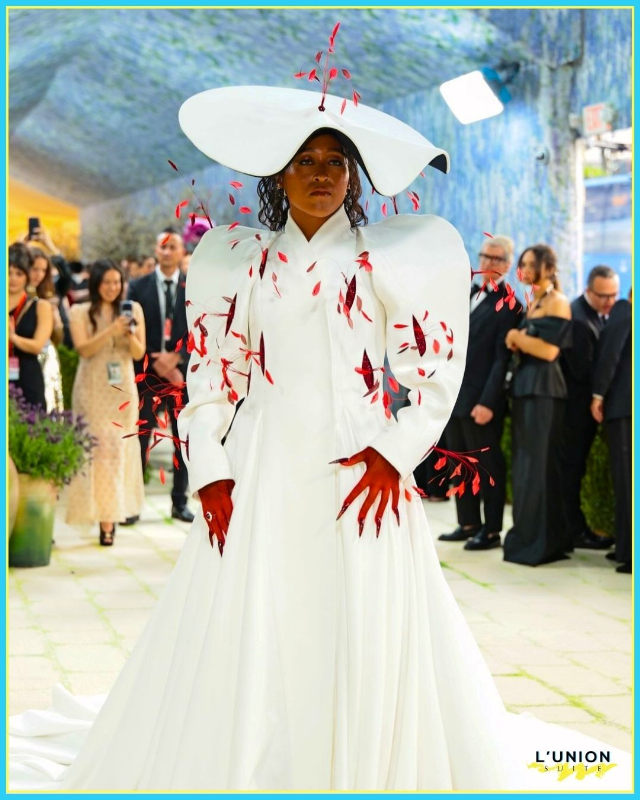
Японська тенісистка Наомі Осака з’явилася у драматичному образі Robert Wun, натхненному темою тілесності та трансформації. Її сукня з червоними елементами, що нагадували м’язи та кровоносну систему, критики порівнювали з анатомічними експресіями сучасного body-art. Стиліст Марті Гарпер пояснив для People Magazine, що концепція будувалася навколо ідеї «скидання шкіри» та внутрішнього переродження.
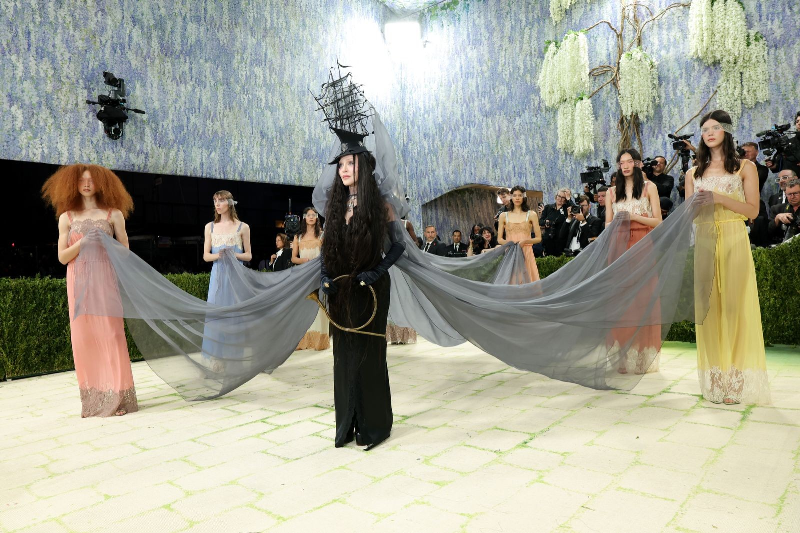
Одним із найбільш сюрреалістичних виходів вечора стала поява Мадонна у Saint Laurent. Її образ безпосередньо відсилав до картини мексикансько-британської сюрреалістки Леонора Каррінгтон The Temptation of St. Anthony. Fragment II. Масивний головний убір у формі корабля, довгий шлейф, який несли помічниці, та театральна композиція майже буквально відтворювали композицію полотна. Vogue і Harper’s Bazaar назвали цей вихід одним із найбільш «музейних» і концептуально точних образів вечора.
www.vanityfair.com
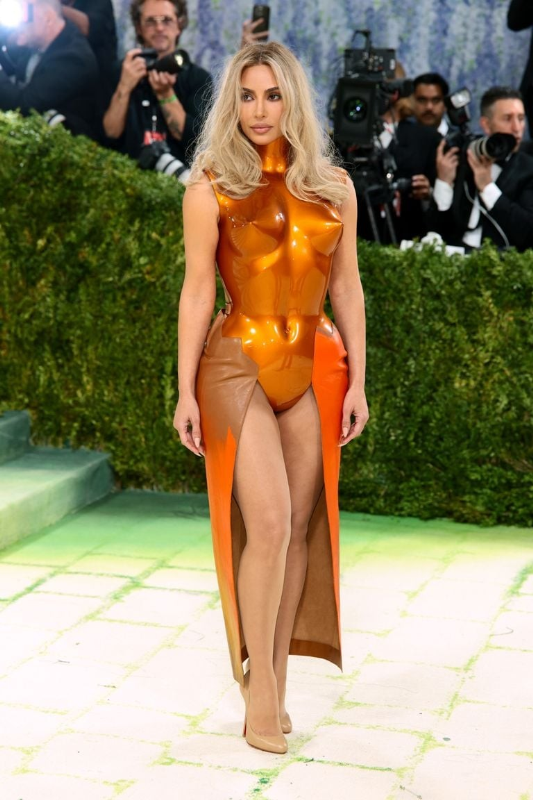
Ще одним гучним образом став вихід Кім Кардашʼян, чий скульптурний металевий корсет був створений у співпраці з британським поп-артистом Аллен Джонс. Образ базувався на його культових фетишистських скульптурах 1960-х років і перетворював тіло на частину артоб’єкта. Vogue писав, що look Кардашʼян став одним із найпряміших прикладів взаємодії contemporary art і fashion design на Met Gala 2026.
fashionmagazine.com
Модні критики відзначають, що цього року Met Gala вперше за довгий час виглядав не просто як парад celebrity couture, а як масштабний перформанс про мистецтво, тіло й візуальну культуру. Червона доріжка фактично перетворилася на живу галерею, де кожен образ працював як окрема художня цитата.
Met Gala 2026: when fashion stopped being clothing and became performance art
The Met Gala returned to New York on 4 May with a concept unusually ambitious even by the event’s own standards: not simply to celebrate fashion, but to present it as a fully fledged artistic medium. Held annually at the Metropolitan Museum of Art and organised by the Costume Institute under the direction of Anna Wintour, the gala has long evolved beyond a charity fundraiser into the defining ritual of the global fashion industry. This year’s exhibition, Costume Art, arrived with the dress code “Fashion Is Art”. Curator Andrew Bolton described the show as an exploration of “the dressed body as artistic medium”, bringing together historical costume, sculpture, painting and contemporary couture. The result was one of the most conceptually coherent Met Galas in recent memory. Rather than relying on spectacle alone, many guests approached the evening as a form of visual interpretation, building looks directly inspired by major works of art and art history.
Among the most discussed appearances was Rihanna in Maison Margiela by Glenn Martens. Vogue described the look as “a living sculpture”, while critics noted its references to modernist sculptural forms and futuristic metallic installations associated with early twentieth-century avant-garde art.
The return of Beyoncé after several years away from the Met Gala quickly became one of the defining moments of the night. Her Olivier Rousteing gown, constructed around a crystal anatomical framework, drew inspiration from Renaissance anatomical studies and the scientific sketches of Leonardo da Vinci. Critics at The Cut described the ensemble as one of the clearest interpretations of the evening’s theme.
Japanese tennis star Naomi Osaka appeared in a dramatic Robert Wun design inspired by bodily transformation and vulnerability. The deep crimson detailing, resembling exposed musculature and circulatory systems, prompted comparisons with contemporary body-art practices. Speaking to People Magazine, stylist Marty Harper explained that the concept revolved around “shedding skin” and emotional reinvention.
One of the evening’s most surreal appearances came from Madonna in Saint Laurent. Her look directly referenced The Temptation of St. Anthony. Fragment II by the surrealist painter Leonora Carrington. Featuring an elaborate ship-shaped headdress and an extended train carried by assistants, the ensemble recreated the theatrical composition of Carrington’s painting with near-museum precision. Both Vogue and Harper’s Bazaar described it as one of the most conceptually sophisticated looks of the night.
Another widely discussed appearance came from Kim Kardashian, whose sculptural metallic corset was developed in collaboration with British pop artist Allen Jones. The design referenced Jones’s fetishistic sculptures from the 1960s, transforming the body itself into part of the artwork. Vogue noted that Kardashian’s ensemble became one of the clearest examples of the increasingly blurred boundary between contemporary art and fashion design.
Fashion critics observed that this year’s Met Gala felt less like a celebrity spectacle and more like a large-scale curatorial performance about art, identity and visual culture. For one evening, the red carpet ceased to function as a showcase for luxury fashion alone and instead resembled a living gallery of moving artistic references.
2415